Want real change without the burnout? These 26 micro habits take 2 minutes or less, small enough to stick, powerful enough to actually shift your life.

You have probably tried to overhaul your life before. Maybe it was January, or it was after a really motivating podcast episode. You wrote out the whole plan: wake up at 5 AM, journal for 30 minutes, work out for an hour, meditate, eat clean, read 20 pages, and call your mom.
By day four, you were exhausted. By day seven, you were eating cereal at midnight, wondering what went wrong.
Nothing went wrong with you. The plan just asked too much, too soon. And, honestly, micro habits help to change your life. They have been the only thing that has actually stuck for me long-term.
This blog gives you 26 micro habits that are so easy they almost feel like cheating, but that is the entire point, right?. Let’s go.
What Are Micro Habits?
Micro habits are tiny, specific actions so small they take two minutes or less to complete. They are the stripped-down versions of bigger habits, designed to be so low-effort that your brain has zero reason to resist them.
The goal is not to do a little and feel good about it. The daily goal is to do a little, consistently, until the action becomes automatic. Then you build from there.
James Clear describes a version of this in Atomic Habits as the “2-minute rule”: if a habit takes less than two minutes to start, you will almost always follow through. Micro habits work on the same principle: they are small enough to survive a hard day, a busy week, and the occasional season of pure chaos.
Why Micro Habits Actually Work (It’s Brain Science, Not Motivation)
Nobody tells you that willpower is a limited resource when they hand you a five-step morning routine. It depletes throughout the day, which means the bigger the habit, the more likely you are to run out of steam before it ever becomes automatic. Micro habits sidestep willpower almost entirely because they are too small to feel like effort.
The science backs this up, too. Every time you repeat a small habit, your brain builds a stronger neural pathway for it. Over time, that behavior gets handed off from your prefrontal cortex, the conscious, energy-hungry part, to your basal ganglia, which runs habits on autopilot.
That handoff is the whole goal. That is the compounding effect people talk about, and it starts with habits this small.
A UCL study found that habits take an average of 66 days to become automatic, not the 21 days you may have heard. But more importantly for us, the study also found that simpler habits automated the fastest and that missing one day had no meaningful impact on the process.
This is exactly why micro habits work where big resolutions or bucket lists fail. They are simple enough to stick, forgiving enough to survive a bad day, and small enough that your brain never resists doing them.
26 Micro Habits For a Surprisingly Better Life
A quick note before we dive in: You do not have to do all 26. The whole point of micro habits is starting small enough that you actually follow through.
I have grouped these into five areas of life: morning, productivity, mental health, physical health, and evening, so you can scroll to whatever feels most relevant right now and start there.
That is all it takes to get the ball rolling.
Morning Micro Habits
The way you start your morning sets the tone for everything that follows. These micro habits take five minutes or less, and they genuinely shift the energy of your whole day.
1. Drink a Full Glass of Water Before Your Coffee
I know. You want your coffee. But your body just went 7-8 hours without hydration, and your brain is running on empty before that first sip of water.
Drinking a glass of water first thing rehydrates your cells, jumpstarts your metabolism, and gives your kidneys a gentle wake-up call before you hit them with caffeine. Keep a glass on your nightstand so there’s no excuse. And drink it before you put your feet on the floor.
2. Take Five Deep Breaths Before Checking Your Phone
This one changed how my mornings feel more than almost anything else. The moment most of us wake up, we reach for our phones.
Within two minutes, our nervous system is already reacting to emails, news, notifications, and opinions from people we haven’t spoken to in years. Before any of that, spend 60 seconds breathing.

Inhale for four counts, hold for four, exhale for four. Just do five rounds, that’s it. You are not meditating for an hour. You are just giving your brain 60 seconds to get hold of the day.
3. Make Your Bed Before You Leave the Room
This one is almost embarrassingly simple, but the psychology behind it is real. Making your bed is a completion cue. You started something, and you finished it, and that too before 8 AM.
That tiny sense of accomplishment triggers a small dopamine release, which makes the next task feel easier. Plus, you get to come home to a tidy room at the end of the day, which is a gift from your morning self to your evening self.
It takes about 90 seconds. So, make it a part of your daily cleaning routine.
Also Read: 40 Smart Things to Declutter in Your Home for a Calm, Organized Space
4. Write Down Just One Thing You Are Grateful For
This need not be a whole gratitude journal entry. Just write one specific thing you are grateful for in a notes app or a tiny notebook. Keep it next to your phone so you see it before scrolling.
The beauty of this micro habit is the specificity. It forces you to actually feel the gratitude rather than just listing things robotically. Like I am grateful for coffee, it hits differently than I am grateful for the feeling of holding a warm mug while it’s raining outside.”
Just one sentence every morning. That is all it takes to rewire your brain toward noticing what is good in your life rather than defaulting to what is missing.
5. Spend Two Minutes Outside Before Sitting at Your Desk
Just two minutes of natural light in the morning helps regulate your circadian rhythm, signals to your brain that the day has started, and can improve mood and alertness throughout the day. Morning light is one of the most powerful cues for healthy sleep-wake cycles.

You do not need to exercise. Just step outside for two minutes, look around, let the light hit your face. That is the whole micro habit.
6. Say Your Top Priority Out Loud Before You Start Work
Before opening your laptop, your email, your Slack, or anything, say out loud (or write down) the single most important thing you need to accomplish today.
This sounds too simple to matter, but it acts as an anchor for your entire day. When you get pulled in five directions by noon (and you will), that one priority keeps you grounded.
Even if the whole day explodes, you know exactly what actually needs to be done.
Productivity Micro Habits
These are the micro habits that actually make your work hours feel less chaotic.
7. Identify One Thing You Can Delete and Delegate From Your To-Do List
Most to-do lists are full of things that felt important when you wrote them and are now just taking up space. Before starting work, look at your list and pick one item to remove, either cross it off entirely, pass it to someone else, or move it to a future someday list where it can stop haunting your daily view.
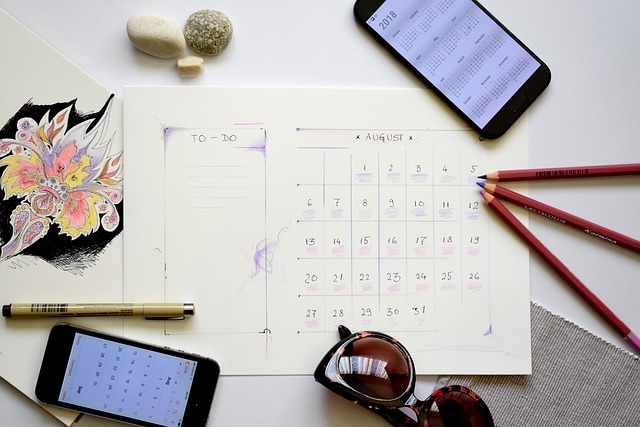
This is a productivity habit disguised as a mind decluttering one. Your to-do list should only carry what genuinely needs your attention today.
8. Close Five Browser Tabs Before You End Your Workday
Open browser tabs are visual cognitive clutter. They create a low-grade background anxiety with a constant reminder of things you haven’t done, articles you haven’t read, tasks you haven’t completed.
Before you close your laptop today, close five tabs intentionally. Either bookmark what matters, let it go, or put them into the One Tab extension if you need it later.
This extension is a boon for someone like me who has so many things going on in mind and needs to open all tabs at once. The discipline of deciding what actually deserves to stay open is a productivity habit in itself.
9. Reply to the One Message You Have Been Avoiding
You know the one message you avoid replying to. It has been sitting there for three days, and every time you see the notification, you feel a tiny drop of dread.
Avoidance does not make the message easier to respond to. It just makes it heavier. A two-minute response, even an imperfect one, removes that weight from your mental load. So, do that.
10. Learn One New Thing Every Day
Increase your knowledge daily by learning just one fact, concept, word, tip, or piece of trivia that you didn’t know earlier.
- Read one interesting article during lunch.
- Watch a five-minute YouTube explainer on something you’ve been curious about.
- Look up the meaning of a new word you came across today.
- Learn how the piece of technology you use daily actually works.
Compound curiosity is one of the quietest forms of self-improvement. And it takes about five minutes.
Tip: Before bed, recall one new thing you learned today. If you can’t think of one, look something up right now. Take five minutes and learn it.
11. Stand or Walk During Every Phone Call
If you’re already on a call that requires no screen, why are you sitting down? Walking during phone calls is a classic micro habit for a reason. It almost effortlessly adds movement to your day without requiring you to carve out separate exercise time.

Most people who try this end up averaging an extra 2,000 to 3,000 steps a day just from calls alone. That adds up to miles over a month without a single extra workout.
12. Write Tomorrow’s Most Important Task Before You Shut Your Laptop
This takes 30 seconds, and it completely changes how you start your next morning. Instead of opening your laptop and staring blankly at your inbox, wondering where to begin, you already know exactly what needs to happen first.
So, before closing your laptop, write one sentence stating tomorrow’s important task. Leave it visible on your desk or as a sticky note on your screen.
Mental Health Micro Habits
These micro habits can literally change your life as they quietly rewire how you relate to yourself. But you need consistency for it.
13. Do a 30-Second Mental Check-In With Yourself
At least once a day, ideally mid-morning or mid-afternoon, pause, put one hand on your chest, and honestly ask yourself: How am I actually doing right now?
This sounded almost too gentle to matter until I tried it during a particularly stressful month and realized I had been running on empty for weeks without noticing because I never stopped long enough to check. You cannot take care of yourself if you don’t know how you feel.

Set a phone alarm for mid-morning labelled “check in.” When it goes off, spend 30 seconds honestly assessing your emotional state. This really needs to be part of your self-care ritual.
14. Take Three Slow Breaths Before Responding When You’re Irritated
This is one of the most underrated emotional regulation tools available and is technically a micro habit because it takes less than 30 seconds.
When something (or someone) triggers frustration or stress, the automatic response is to react immediately. Three slow breaths before you respond gives your prefrontal cortex (the rational, thoughtful part of your brain) enough time to come back online before your amygdala sends an email you will regret.
It will not fix the situation, but it almost always improves your response to it.
15. Do Your Worry Dump in One Minute
When anxious thoughts are circling, give them one minute to exist on paper. Set a timer, write everything that is worrying you, and when the timer goes off, close the notebook and move on.
This way, you are just moving the thoughts from your head (where they spin in loops) to paper (where they stay still). This is sometimes called cognitive offloading, and it genuinely reduces mental noise, especially before bed or in the middle of a high-pressure afternoon.
Also Read: How to Start a Journal and Actually Stick With It (Beginner’s Guide)
16. Acknowledge One Win From Your Day Before You Sleep
Think about one small thing that went right today. Something as small as finishing a task you had been putting off, going to bed early, or choosing home meals over junk food counts.
Our brains are wired with a negativity bias. We naturally fixate on what went wrong and become negative rather than notice what went right. This micro habit is not toxic positivity, but a deliberate recalibration that trains your brain to notice evidence that you are making progress, even on imperfect days.
17. Leave One Genuinely Kind Comment Online Each Day
This sounds small and maybe even silly. But we underestimate how much our online behavior shapes how we feel offline.
Most of us passively scroll and consume. We occasionally react and rarely add anything positive. Committing to one genuine compliment on a friend’s photo, a creator’s post, or a colleague’s work takes 20 seconds and creates a small ripple of good feeling for both people.
It also subtly shifts how you use social media from a consuming activity to a contributing one, which significantly improves well-being over time.
Physical Health Micro Habits
These micro habits for your physical health are about feeling good in your body regularly.
18. Do 10 Squats or 5 Push-Ups While Your Coffee Brews
Your coffee or tea takes about three minutes to brew. That’s enough time for ten squats, five push-ups, a short stretch, or a wall sit. You are already in the kitchen, waiting, so do any of these.

This is actually habit stacking, attaching a new behavior to something you already do automatically. After a few weeks, the movement becomes part of making coffee rather than something separate.
19. Eat One Fruit or Vegetable Before Anything Else at Each Meal
You can have one piece of fruit before breakfast, a sliced cucumber before lunch, and a handful of cherry tomatoes before dinner. Keep it in the fridge pre-cut so there’s no barrier.
This works partly because of food crowding, which means eating something nutritious first naturally leaves less room for lower-quality food. And, it sets a positive intention for the meal. Over time, meals start to shift without you ever going on a diet.
20. Stretch for 60 Seconds at Your Desk Every Hour
If you work at a desk, your hips, shoulders, and neck are paying a price. An hourly 60-second stretch like neck rolls, shoulder shrugs, a forward fold, or a simple spinal twist counteracts the compression that builds up from sitting and dramatically reduces end-of-day tension.
Set a recurring alarm every hour, labelled 60 seconds, stretch. You will be surprised at how much difference this makes by the end of a full work week. This has been a game-changer for someone like me who works from a laptop all day.
21. Take Five Minutes Outside With No Phone Midday
This can be a lunchtime walk, a step outside between meetings, or sitting in nature. Just five minutes of fresh air and natural light in the middle of the day is a legitimate reset for your nervous system.
Leave your phone inside or at least in your pocket. Just walk and look at things that are more than two feet away from your face. Your eyes need it, your posture needs it, and your brain needs the shift.
Evening And Night Micro Habits
The habits you build at night directly affect how tomorrow starts. These take five minutes or less and make a great difference.
22. Set Your Clothes Out the Night Before
This sounds basic, but feels like a life upgrade. See, decision fatigue is real. The number of decisions you make in the morning before your brain is fully online drains energy you could be using on things that actually matter.
So, laying out your clothes the night before removes one decision from the morning completely, and it makes getting dressed feel intentional rather than frantic. And, it hardly takes two minutes.
23. Wipe Down the Kitchen Counter Before Going to Bed
This one might be my personal favourite. I used to fall asleep leaving a messy kitchen and wake up to it still being messy. And that meant I started every morning with a visual reminder that I hadn’t dealt with things.

Wiping your kitchen counter by just clearing the visible surface takes 90 seconds and means you wake up to a kitchen that is ready for the day rather than one that is already behind.
Might help: The Ultimate Daily Cleaning Routine to Keep Your Home Clean in 30 Minutes
24. Check Your Bank Balance Once a Day
Financial anxiety often grows in the dark. When we avoid our bank account because we’re afraid of what we’ll see, the fear compounds. A daily 30-second check, even if the number isn’t great, keeps you anchored to reality and prevents the kind of financial drift where you lose track of where your money is going.
Knowledge is power, even when it’s uncomfortable. And the habit of checking regularly (not compulsively, just consistently) is the foundation of every solid financial routine.
So, open your banking app once a day. Just look at the current balance and close the app.
25. End Your Shower With 30 Seconds of Cold Water
I will be honest, this one is uncomfortable at first. But the benefits of a cold shower are insane. It reduces muscle soreness, improves circulation, and heightens alertness.
These are well-documented and have made their way into the routines of athletes, executives, and wellness researchers alike.
So, end your shower with just 10 seconds of cold water. Build to 30. Breathe through it, get out, and notice how alert you feel.
26. Put Your Phone in Another Room When You Sleep
Sleeping with your phone in the room means every vibration, notification, and light flash is a potential sleep disruption. It also means the last thing you see before sleeping and the first thing you see when waking is a screen, both of which are associated with poorer sleep quality and higher anxiety.
So, charge your phone in another room and keep it there when you are going to sleep. Buy an alarm clock if you use your phone as one, and you will truly thank yourself for this micro habit.
Wrap-Up: Micro Habits To Change Your Life
Here is the trap with a micro habits list like this: you want to start all 26 tomorrow. Please don’t.
Pick one that made you think, “yeah, I could actually do that.” Start there, do it for a week. Let it become automatic, then add another.
Micro habits are just about doing something so small and consistent that it stops feeling like effort and starts feeling like just who you are. That is when the real change happens.
You don’t need to be disciplined, just consistent here. And consistency gets a lot easier when the thing you’re being consistent about takes two minutes.
So start right away and pick your micro habit!
Read Next: 19 Underrated Self-Improvement Tips to Become a Better Version of Yourself
Found this helpful? Save it for the next time life feels like too much. And remember that you don’t need a perfect plan. You just need one small, embarrassingly easy habit to start.
FAQs About Micro Habits
1. How many micro habits should I start with?
Just one. Most people start with three or five and drop all of them within two weeks. One habit, practiced daily until it feels automatic, is worth more than five habits practiced for three days. Once it sticks, add another.
2. How long does it take for a micro habit to become automatic?
The 21-day rule is a myth. UCL research found the real average is 66 days, with a range of 18 to 254 depending on the person and the habit. The simpler the habit, the faster it sticks, which is the whole point of keeping them small.
3. What’s the difference between micro habits and atomic habits?
Atomic Habits is a framework by James Clear built around cues, cravings, responses, and rewards. Micro habits are a strategy within that system, starting with the smallest possible version of a behavior to reduce resistance. Think of micro habits as one tool inside the atomic habits toolkit.
4. Can micro habits help with anxiety and mental health?
Yes. They won’t replace therapy or medication for clinical conditions. But consistent small behaviors like movement, journaling, better sleep, and less late-night scrolling all have documented mental health benefits. And micro habits are the most sustainable way to build them.
5. What if I miss a day? Does the habit reset?
No. UCL’s habit research confirmed that missing a single day had no meaningful impact on long-term habit formation. The real danger is the story you tell yourself about it. One missed day is just one missed day. Pick it back up tomorrow.
6. What is the best time of day to build micro habits?
Whenever you can attach it to something you already do reliably. Like, “After I brush my teeth, I will go for a walk” works better than a floating intention because the existing routine acts as a trigger. Anchor new habits to meals, coffee, waking up, or going to bed, and they are far more likely to stick.