Learn how to be more grateful in life with 11 simple, realistic practices that help you feel calmer, happier, and more present without forcing positivity.
Gratitude sounds simple, right? But if I’m honest, it didn’t come naturally to me at all.
For a long time, my mind was wired to notice what went wrong, what felt unfair, or what was missing. Even when life was fine, it still felt heavy. I wasn’t unhappy exactly, just constantly focused on what could’ve been better. Thankfulness felt forced, almost fake, so I avoided it.
What eventually changed wasn’t a gratitude list or a perfect mindset. It was a quiet realization: gratitude isn’t about denying reality, it’s about seeing it more fully. I learnt to notice what was holding me up, alongside what was hurting, and slowly shifted how I experienced my days.
And truly, faith, reflection, and small moments of awareness did more than forced positivity ever could. If you’re here wondering how to be more grateful in life, know that you don’t need to fake happiness or feel grateful all the time. And you definitely don’t need to “fix” yourself.
This is more about realism and about finding a softer way to relate to your life, even on hard days. That’s what this blog will help you with. Let’s understand gratitude and find practical ways to be grateful in life.
What Gratitude Really Is (And What It Isn’t)
Gratitude often gets misunderstood, which is why it feels so difficult to practice.
Gratitude is not toxic positivity. It doesn’t ask you to smile through pain or pretend everything is okay when it isn’t. It’s not forced happiness, and it doesn’t mean ignoring grief, frustration, or disappointment.
See, gratitude is the practice of noticing and appreciating what’s present in your life, even when everything isn’t going well. It doesn’t erase pain; it simply helps you relate to your life with more steadiness, perspective, and balance.
You’re allowed to hold two truths at once:
That something hurts, and something is still supporting you.
That life feels heavy, and there are moments worth noticing.
Real gratitude begins with honesty and appreciating the little things in life.
Why It’s Hard to Feel Grateful (Even When Life Is “Fine”)
Before getting into practices of how to be grateful, understand that gratitude is a beautiful idea in theory, but there are real psychological reasons it can feel elusive. When you’re overwhelmed by stress, stuck in survival mode, or emotionally fatigued, your brain naturally prioritizes threat over appreciation, a holdover from how our nervous systems evolved.

This is one reason people with lower energy or chronic stress struggle to notice what’s going well, as their nervous system is in alert mode. In fact, research on gratitude shows that people who are naturally more grateful tend to have better psychological health and engage in healthier behaviors, which supports both emotional and physical well-being.
Other common barriers include:
- Comparison culture, which means scanning for what others have that you don’t
- Burnout, where the mind is exhausted, not attentive.
- Low energy or emotional fatigue, when survival feels like the main job.
- The fact that much gratitude advice feels tone-deaf when you’re just trying to get through the day.
What Actually Helped Me Become More Grateful
I feel this is important for you to know what worked for me to help you in your journey of how to be more grateful. So hear me out. For a long time, I thought gratitude meant constantly reminding myself to be thankful, and honestly, that never worked.
I tried listing things I “should” appreciate, forcing positive thoughts, and even guilt-tripping myself for complaining. All it did was make me feel disconnected from my real emotions.
What shifted everything for me was realizing that gratitude works best after you’ve allowed yourself to feel what you feel, not instead of it. When I stopped rushing past frustration, sadness, or disappointment, gratitude began to feel natural. It showed up quietly in moments of relief, small comforts, and a growing sense of faith that things didn’t have to be perfect to still be meaningful.
I eventually started jotting down one small moment in a gratitude journal, just when something felt real. Slowly, it stopped being about fixing my mindset and became about softening my relationship with life.
Read Next: 13 Simple Self Love Habits That Will Change How You Feel Every Day
Gratitude on Low-Energy or Hard Days
I want to discuss something practical that can work for you on low-energy days before telling you the practices to follow to be more grateful. I know, some days, gratitude feels impossible, especially during burnout or emotional overload.
When motivation is low, your nervous system is tired, and you feel ungrateful in general. On days like these, traditional gratitude advice can feel unrealistic or even irritating.
| The easiest thing is tiny noticing. Instead of searching for big reasons to be thankful, focus on neutral moments: This didn’t go wrong. That felt slightly easier than expected. I got through today. |
This kind of neutral gratitude simply acknowledges stability. And that’s often enough.
It’s also okay to hold mixed emotions. You can feel exhausted and still appreciate a warm shower or a warm drink. You can feel anxious and still notice a quiet moment of relief. Gratitude doesn’t cancel hard feelings; it sits beside them.
And, on those low-energy days, gratitude is less about effort and more about gentleness. And sometimes, that gentleness is the most meaningful practice of all.
Also Read: 25 Gentle Reminders for Hard Days When You’re Emotionally Tired
How to Be More Grateful in Life: 11 Simple Practices You Need To Try
If you’ve ever wondered how to be more grateful without forcing positivity or changing your personality, these practices are for you. They’re about building small, honest habits that help you become more grateful in everyday life, including on difficult days.
1. Let gratitude come after the emotion, not instead of it
One thing I learned the hard way while trying to become more grateful was that gratitude doesn’t work when you use it to silence your feelings. If you’re frustrated, hurt, or overwhelmed, telling yourself “I should be grateful” often makes things worse.
Earlier, I tried jumping straight to “at least I should be grateful” whenever I felt upset. It never worked. It only made me feel guilty for having emotions in the first place. What actually helped was allowing the emotion first, frustration, sadness, disappointment, and then noticing what still existed alongside it.
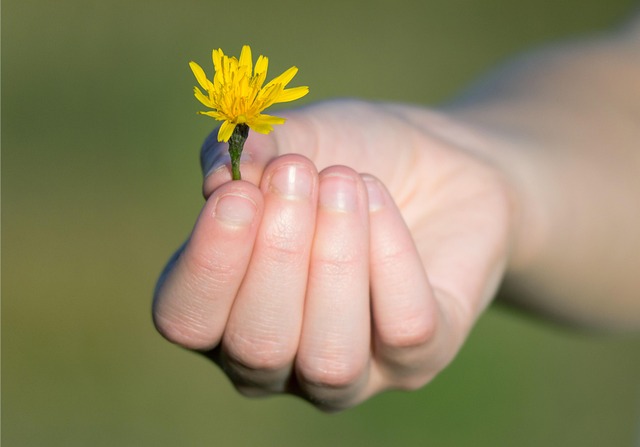
Gratitude grows more honestly when it comes after you’ve felt what you need to feel. Once the intensity settles, it becomes easier to notice support, safety, or small steadiness around you.
You don’t need to replace pain with gratitude; you can let them sit side by side. If you’re wondering how to become more grateful without faking positivity, start here: let yourself feel fully, then gently ask, “What’s still holding me up right now?”
2. Start noticing what didn’t go wrong today
When you’re trying to figure out how to be more grateful in life, it helps to begin small, really small. On tough or ordinary days, instead of asking yourself what went well, try noticing what didn’t go wrong.
Maybe your body carried you through the day, maybe nothing dramatic happened, and that itself is something to appreciate. See, it’s all about noticing mindfully. I started doing this on days when I felt too tired to be thankful for anything big.
Surprisingly, this simple shift helped me become more grateful without forcing positivity. Over time, it trained my mind to stop scanning only for problems and start acknowledging stability, which is a powerful way to be more grateful for what you have.
3. Express appreciation out loud
Gratitude doesn’t always have to live quietly in your head. Think about the people who support you, friends, family, coworkers, even strangers who show up kindly in small ways. How often do you actually tell them what they mean to you?
Letting someone know why you appreciate them creates a ripple effect. It strengthens the connection and reminds you how you are, actually supported.
One of the most practical ways to be more grateful is to express it freely, to real people in real time.
- Say thank you to others.
- Point out something you appreciate.
- Send a kind message without a reason.
I’ve noticed that when I voice gratitude out loud, it deepens not just my relationships but my own sense of contentment too. And, this was an easy practice for me because I appreciate people in general if I like something about them.
4. Let nature gently remind you what you already have
Some joy is loud like plans, purchases, or achievements. But the kind of gratitude that actually stays with you often comes from quieter places.
For me, nature has always been that place. When my mind feels cluttered or heavy, stepping outside softens something instantly. The warmth of sunlight on my skin, a cool breeze brushing past, the calm of the moon at night, these moments ground me in a way nothing else quite does.

This is one of my favorite practices to help you learn how to be more grateful every day. So, start by letting nature be part of your routine.
- Watch the sunrise once in a while.
- Step out in the evening air.
- Notice the trees, the sky, the changing seasons.
Even a few minutes outdoors can remind you how much beauty exists in nature and make you feel grateful for the ability to experience it. And in that presence, gratitude often follows naturally, bringing calm, perspective, and a quiet sense of being held.
5. Practice gratitude by finishing what you start
This practice surprised me, but it works in a very quiet, grounding way. When you finish something like a task, a message you’ve been putting off, or a small promise you made to yourself, it creates a sense of completion that’s deeply calming.
You stop carrying unfinished mental loops, and that mental space naturally makes room for gratitude. Instead of constantly chasing what’s next, you get to acknowledge what you’ve already done.
I’ve noticed that closing even tiny loops builds self-trust and helps me feel more appreciative of my effort, my follow-through, and my capacity to show up for my own life. Isn’t this an amazing tip for how to be more grateful? I am sure you agree, so try it for yourself.
Also Read: How To Challenge Negative Self Talk Every Day: 9 Empowering Shifts
6. Do a gratitude meditation to sink into appreciation
By now, you understand that being more grateful comes from slowing down. A short gratitude meditation helps you move out of your head and into your body, where appreciation feels steadier and more real.
How to practice it:
- Sit or lie down comfortably.
- Take a few slow breaths, letting your body soften.
- Then gently bring your attention to one thing that feels okay right now, your breath, the warmth of your body, the support beneath you, or a small moment from the day. You don’t need to search for something big or emotional.
Even a few quiet minutes of noticing can soften resistance. On days when my mind feels noisy or overwhelmed, this helps me get calmer and stable.
7. Write Thank-You notes you will never send
One of the gentlest ways I learned how to be more grateful was by writing thank-you notes I never planned to send. There’s something freeing about expressing appreciation without worrying about the right words, timing, or how the other person might respond.
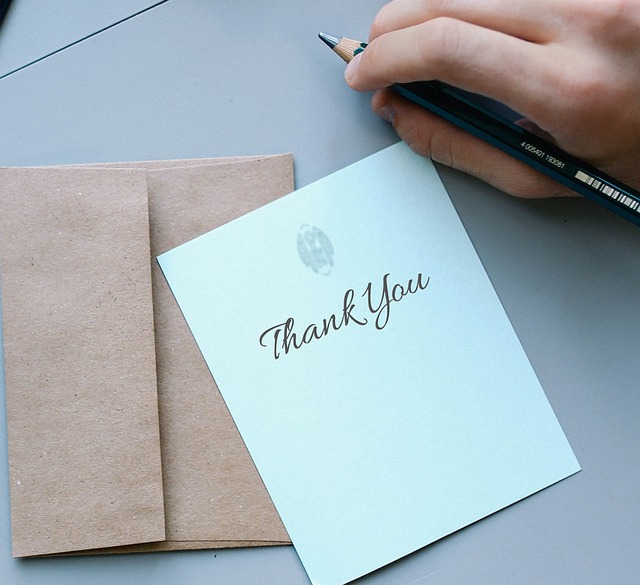
It removes social pressure and allows honesty. Sometimes I write to people who helped me years ago, sometimes to a version of myself that survived a hard season. I usually keep it short, just a few lines. For me, this feels like decluttering the mind. Once it’s written down, the emotional weight eases, and I don’t have to carry it anymore.
8. Reframe the moment instead of resisting it
Learning how to be more grateful isn’t about never having negative thoughts; it’s about gently questioning them.
Whenever something doesn’t go as planned, the mind naturally jumps to frustration or blame. What helps is pausing and asking a softer question: “What is this teaching me?” or “What strength is this building?”
I know this sounds too easy to say than done. But this is just about widening the lens enough to see beyond the immediate irritation. Over time, this practice shifts gratitude from a reaction into a mindset, helping you notice growth even when you’re outside your comfort zone.
If you want to know how you can be more grateful during stressful moments, start by reframing just one thought a day. Small perspective shifts compound faster than you expect.
9. Practice gratitude through the body, not just the mind
Gratitude isn’t only something you think, it’s something you can feel. On days when my mind feels noisy or overwhelmed, body-based gratitude helps me reconnect.
I feel my breath slow down, I let warmth settle in my hands, and rest without guilt. These moments remind me that my body is constantly working to support me, even when my thoughts aren’t kind.
This powerful practice on how to be more grateful works, especially when journaling or reflection feels like too much.
Gratitude can be as simple as noticing:
- I’m breathing.
- I’m warm.
- I’m safe right now.
To start gently, pick one physical sensation each day to appreciate, like rest, movement, comfort, or even relief. It’s one of the most grounding ways to practice gratitude when words fall short.
10. Keep a One-Line gratitude habit
Gratitude doesn’t need long journaling sessions to be effective. In fact, when I stopped trying to write paragraphs and switched to just one honest line, consistency finally clicked.
A single sentence written or even thought is often enough to shift awareness, like I had my favorite warm soup.
A one-line journal is one of the easiest ways to be more grateful every day, especially on low-energy days. It lowers resistance and removes the pressure to feel positive.

If you want to try this, pick one moment daily, before bed, after tea, during your commute, and note just one thing that didn’t completely fall apart. Over time, this tiny habit quietly trains your mind to notice support instead of only stress.
Also Read: How to Start a Journal and Actually Stick With It (Beginner’s Guide)
11. Practice contrast gratitude (Before vs. Now)
Instead of measuring your life against someone else’s, contrast gratitude brings your attention back to your own journey. It asks you to notice where you once were, emotionally, mentally, or situationally, and what feels different now.
Maybe you respond with more calm, allow yourself more rest, or trust your decisions a little more. This is one of the most realistic ways to become more grateful, because it replaces pressure with perspective.
I often ask myself, What feels easier now than it used to? Even the smallest shifts are quite proof that growth is unfolding. Try it for yourself.
Common Gratitude Myths (And What Actually Helps Instead)
Now that you know how to be more grateful in life in ways that actually feel doable, it’s important to clear up a few common myths that often make gratitude feel harder than it needs to be. Many of us struggle not because we’re doing gratitude wrong but because we’ve been taught the wrong things about it.
1. I should feel grateful all the time: This is one of the biggest misconceptions. Gratitude isn’t a constant emotional state, but rather it’s a practice you return to when you can.
Some days you’ll feel it naturally. Other days, just getting through is enough. Trying to force gratitude every moment usually backfires and creates guilt instead of peace.
2. If I’m grateful, I shouldn’t want more: Gratitude doesn’t cancel ambition or growth. You can appreciate where you are and still desire change or want more.
In fact, grounded gratitude often makes your goals clearer, not smaller. Wanting more doesn’t mean you’re ungrateful. It means you’re human.
3. Gratitude means settling or accepting less: Gratitude isn’t about settling. It’s about seeing clearly. When you acknowledge what’s already supporting you, you make decisions from steadiness instead of scarcity.
4. Forcing gratitude when you’re hurting: One of the most common mistakes is using gratitude to override pain. Saying “I should be grateful” while ignoring grief, anger, or exhaustion only pushes those feelings deeper.
Real gratitude comes after you allow yourself to feel.
5. Comparing your gratitude to others: See, it’s not a competition. Someone else’s struggles don’t invalidate yours, and their joy doesn’t define what you should feel.
Your emotional experience is valid on its own. Comparison is one of the fastest ways to disconnect from genuine gratitude. So, avoid it.
How Long Does It Take to Feel More Grateful?
Gratitude doesn’t flip a switch overnight. At first, the change is subtle. You may not feel happier right away, but you might notice more awareness. Fewer automatic complaints or a slightly calmer reaction to stress.
Over time, that awareness turns into steadiness and a deeper emotional balance. The real benefit of gratitude is feeling more grounded, resilient, and present in your everyday life.
Wrap Up: How To Be More Grateful In Life
By now, you know that gratitude or being grateful isn’t a box to tick or a mindset you have to fix. It’s more like a relationship that grows slowly, honestly, and differently for everyone. Some days it feels natural. Other days, it barely shows up. Both are okay.
You can’t force positivity to be more grateful. So, just try one small practice from this list of how to be more grateful and make it a part of your routine. Let it fit into your real life, not an ideal version of it. Start small. Start honestly. And let gratitude meet you exactly where you are.
Read Next: 19 Underrated Self-Improvement Tips to Become a Better Version of Yourself
FAQs: How to Be More Grateful in Real Life
1. What does it really mean to be grateful?
Being grateful means noticing and appreciating what’s present in your life, even when things aren’t perfect. It’s not about ignoring problems, but about acknowledging what’s supporting you alongside them.
2. Can gratitude improve mental health?
Yes, gratitude has been linked to better mood, reduced stress, and improved emotional resilience. When practiced gently, it can help shift attention away from constant worry and toward moments of steadiness and support.
3. What if I don’t feel grateful at all?
That’s more common than people admit. Gratitude doesn’t need to be forced. On hard days, it can be as simple as noticing something neutral or stable, like having a warm meal or getting through the day.
4. How can I be more grateful without journaling?
Journaling is helpful, but not compulsory. You can practice gratitude mentally, through short reflections, quiet noticing, verbal appreciation, or small daily rituals that help you pause and observe what’s already there.