Struggling with how to enjoy your own company? Here are 11 practical ways to feel at peace alone, romanticize solitude, and stop feeling lonely.
There is a version of you sitting alone in a quiet room, a cup of something warm in hand, not waiting for a notification, not reaching for your phone, just fine. At peace, actually.
Does that feel impossible right now? Like something only certain types of people can do? It is not, it’s a skill. And like every skill, it gets easier the more you practice.
If you have ever felt restless, awkward, or even a little sad when you are by yourself, you are not broken. Most of us were never taught how to enjoy our own company. We were taught to be with people, to stay busy, to fill silence. So when silence shows up, it feels wrong, like something is missing.
So, this post is for anyone who wants to stop feeling lonely when they are alone, feel genuinely comfortable in their own presence, and maybe even begin to romanticize their own company in the most gentle, realistic way possible.
Keep reading to learn about how to enjoy your own company without feeling lonely, and also check the gentle 7-Day Be Okay Alone Plan.
| Alone Is Not the Same as Lonely Think of it this way. Being alone is like an empty cup. Loneliness is how it feels when you believe that cup should be full and only someone else can fill it. But what if you could fill it yourself? Alone is a circumstance, while lonely is a feeling. And feelings, unlike circumstances, can be shifted. The goal here is just to stop needing company every time in order to feel okay. |
Why Enjoying Your Own Company Actually Matters
Most people treat alone time as a gap between social events, something to push through until the real part of life resumes. But there is a strong case for flipping that thinking.
When you are comfortable being alone, you stop making decisions out of fear of being by yourself. You stop staying in relationships, friendships, or situations that do not serve you just because leaving would mean facing silence. You become, quietly, much freer.
A study found that people who choose solitude report higher creativity and lower stress than those who avoid it. Also, your brain gets better at understanding who you are and what you actually want, without the noise of other people’s opinions clouding things.
In practical terms, people who enjoy their own company tend to set better boundaries, learn to say no, make clearer decisions, and feel less dependent on external validation for their self-worth. It’s not that they are cold or disconnected, but rather that they have a relationship with themselves that does not rely on someone else being in the room.
That is worth building.
What Makes Solitude Feel So Difficult (And Why That Is Normal)
As an introvert, I usually love being alone, but I know it’s hard for many people. So, before we get into how to enjoy your own company, let’s see the why behind it. Because if you have tried to enjoy your own company and found yourself restless, anxious, or reaching for your phone within minutes, it is usually one of these three things.
- Your nervous system has not learned that quiet is safe: If you grew up in a chaotic, unpredictable, or emotionally loud environment, stillness might feel wrong rather than peaceful, like the calm before something bad happens. Your body learned to stay on alert because there is nothing else to focus on.
- The cultural story around being alone is still stuck in your head: We absorb a lot of messaging that being alone is sad, that needing people is strength, and that someone who chooses to be alone must have no one. It is a story, and it is largely inaccurate.
- Distraction has become your default: Scrolling, background TV, podcasts playing while you cook, music during every commute, none of these are bad. But when they become the only way you can be, they train your brain to see silence as something to escape. The moment the noise stops, discomfort rushes in to fill it.
Understanding which of these is at play for you makes it a lot easier to be kind to yourself when the discomfort shows up, instead of assuming you are simply bad at being alone.
Shifting How You Think About Being Alone
Before any practical tip works, there is a small but important internal shift that has to happen first. See, solitude is not a punishment. It is not what happens when no one wants you around. It can be a deliberate, nourishing choice.
And the moment you start treating it that way, even just a little, your experience of it starts to change. Try thinking of your alone time as your me time. The time when you do not have to manage how you come across, change your energy for others, or be anyone other than exactly who you are.
This is also a quiet way of learning to value yourself as a woman, simply by being comfortable in your own presence without needing anyone else around to feel complete.
You also do not need your alone time to look impressive, be productive, or come out of it with anything to show. Just let yourself exist quietly for a while without demanding that it be always useful.
How to Enjoy Your Own Company in 11 Easy Ways
Each point discussed below will help you enjoy your own company. Together, over time, they change the whole relationship you have with yourself.
1. Start with tiny solo moments
If spending time alone has always felt uncomfortable, do not begin by booking a solo trip. Sit with your coffee before you open your phone or take a short walk without earphones.
Maybe eat one meal without a screen in front of you. It is all about getting your nervous system used to the quiet, like dipping your toes into a cold pool rather than jumping in all at once.
The adjustment is easier and more lasting when it is gradual. Have one small, solo moment each day where you are not consuming and just existing.
Also Read: 55+ Fun Things to Do in Fall to Enjoy the Autumn Season
2. Pick up one hobby purely for joy
This has to be something you do purely because you enjoy doing it, and it makes you forget time. Be it painting, cooking a new dish, playing an instrument, journaling, puzzles, gardening, or re-reading a book you love.
When you have something to look forward to during solo time, you stop dreading it and start anticipating it. So, indulge yourself in cozy hobbies.
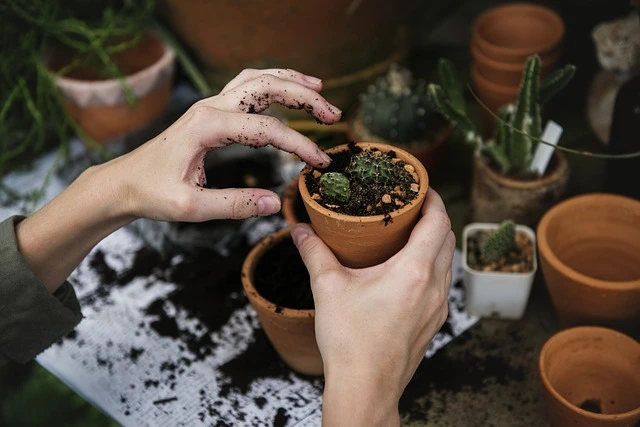
A friend of mine started making very bad pottery during a particularly lonely stretch of her life. She laughs about it now. But she also says those clay-covered Saturday afternoons were when she found her way back to herself.
3. Get to know yourself like you would a new friend
Think about how you get to know someone new. You ask them questions, pay attention, and notice what lights them up and what does not.
Do that with yourself and reflect.
- What time of day do you feel most like yourself?
- What music actually lifts your mood versus what you just put on out of habit?
- What topics could you talk about for hours?
- What drains you, and what quietly restores you?
We spend years with ourselves and still do not really know ourselves, because we have never slowed down enough to pay attention.
Journaling with prompts is one of the simplest ways to start. And getting to know yourself is the single biggest foundation of actually enjoying your own company.
4. Take yourself on a solo date
I know. It sounds like a self-help cliché. Bear with me. Taking yourself on a date is simply doing something you enjoy, alone, with the same intention and presence you would give to a friend.
Go to the coffee shop you have been meaning to try or walk through a bookstore with no agenda. The first time might feel awkward. The second time feels less so. By the third, you might actually start enjoying it.

This is exactly what it means to enjoy your own company with small, intentional acts of choosing yourself on purpose.
5. Use your body to feel safe in the stillness
When being alone feels uncomfortable, that discomfort often lives in your body before it becomes a conscious thought. There is a reason you feel restless, fidgety, or like you want to crawl out of your skin.
Your nervous system is in low-level alert mode. So, use gentle movement and breathwork to calm it and make you feel safe.
Try a slow walk or stretching to music you love. Also, try this breathing pattern: inhale for four counts, exhale for eight.
Making your exhale longer than your inhale activates the parasympathetic nervous system, and your body starts to calm down. It sounds almost too simple, but it genuinely works.
6. Make your space feel like yours
It might surprise you, but the physical space you are alone in matters a lot more than most people realize.
When you are surrounded by things that feel cold, cluttered, or just whatever, being alone in that space feels cold and whatever too. But when your space feels like you, being alone in it feels genuinely warm.
This does not mean you need to redecorate. It could be as simple as a candle you love, a corner with a blanket and a book, or a desk that feels like yours.
Ask yourself honestly: Is the place where you spend your alone time set up in a way that makes you want to be there? If not, fix that.
7. Let the quiet exist without rushing to fill it
This one is harder than it sounds, because we live in a world where noise is the default. We listen to music while cooking, podcast on the commute, and have TV on in the background.
None of it is bad, but when you never let it be quiet, your brain never learns that quiet is safe. That is where a lot of the discomfort comes from, being alone without anything to drown out the silence.
Try letting one ordinary activity each day happen in silence. You do not have to love it right away, but let your brain get used to it.
8. Romanticize the everyday moments
This is my favourite tip when it comes to learning how to enjoy your own company, and it is the one I wish more people talked about. You do not need a special occasion to make something feel beautiful.
The cup of tea you make in the morning can be a ritual, or the evening walk can feel like a ceremony. The Sunday morning alone can be yours, with music you love and no agenda.

When you stop just getting through your alone time and actually start enjoying it, something quietly shifts. You begin looking forward to it instead of dreading it. it.
This is what romanticizing your own company really means, with just deciding that it is worth showing up for.
Read Next: 23 Awesome Things to Do Alone at Home When You Need a Reset
9. Gently reframe the lonely thoughts before they spiral
When you are alone, and that familiar ache starts up, pause for a second. What are you actually telling yourself?
You might be thinking that no one wants to hang out with me, other people are out having fun right now, and I am going to feel this way forever.
These thoughts feel very true in the moment, but rarely are. They are just interpretations, and you get to interrupt them.
Try replacing them with something more neutral, even if you cannot jump straight to positive: I am alone right now. That is okay. This feeling will pass. I can find something good in this moment.
This way, you are choosing not to let the negative spiral have the whole afternoon.
10. Build one simple solo ritual that belongs to you
Build a small ritual, something you return to, again and again. A ritual is less about how it feels in the moment and more about what it does over time.
It trains your brain to associate certain hours with rest, with yourself, with something that is just yours. So, enjoy your Friday night with a good book and your phone on silent or whatever you feel like.

Follow it consistently. And after a few weeks, you will notice you are actually protecting that time and know how to feel comfortable alone.
Also Read: 27 Fun Things to Do Without Money That Actually Help You Feel Better
11. Let yourself feel the loneliness
This one feels counterintuitive, but stay with me. Sometimes the loneliness shows up anyway. And the instinct is to immediately drown it with scrolling, calling someone, eating, anything to make it stop.
What if you sat with it for five minutes instead? Just acknowledging. Loneliness, like most emotions, gets louder when you resist it and quieter when you let it be there.
You can say to yourself: I feel lonely right now. That is just a feeling. It is not a fact about me. It will move through me.
This is not easy. But it is one of the most powerful ways to actually stop feeling lonely, because you stop being afraid of the feeling. And when you are no longer afraid of it, it loses its grip on you.
When Being Alone Still Feels Hard: Honest Troubleshooting
Even with the best intentions, some days just do not click. Here are a few common sticking points and what actually helps.
- I get bored almost immediately: Boredom is usually a sign that you are too used to passive entertainment. Try changing your environment first. Go to a park, a new coffee spot, or even just a different room. New surroundings break the scroll habit and give your brain something to gently engage with.
- I feel physically restless and cannot settle: That is your nervous system talking. Go back to the body-based tools in tip 6 before doing anything else. A short walk, a long exhale, or even a gentle shaking of your hands can interrupt the physiological alert state before it takes over.
- I start fine, but then the sad thoughts creep in: That is very common and very human. Try the reframing from tip 8. Journaling those thoughts out, even just a few lines, can take their edge off. You are not trying to eliminate them, but taking away their power to ruin the whole afternoon.
- I feel guilty taking time for myself: That is worth sitting with and possibly exploring more deeply, but a simple starting point could be to remind yourself that someone who is depleted has very little to give. Self-care is not selfish but actually needed.
Your Gentle 7-Day Be Okay Alone Starter Plan
If you want a low-pressure way to begin, try this one week at a time.
| Day | The Gentle Challenge |
| Day 1 | Take a 10-minute walk without your phone. Just notice what you see. |
| Day 2 | Make yourself one meal and eat it without a screen, just you and the food. |
| Day 3 | Write down 3 things you genuinely like about yourself. Start small if you need to. |
| Day 4 | Spend 15 minutes in silence with no goal. Just be present; that is the whole task. |
| Day 5 | Put on music you love and move your body however it feels good. |
| Day 6 | Take yourself somewhere you have been wanting to go, alone, like for coffee, a bookstore, or a walk somewhere new. |
| Day 7 | Reflect: What felt easy? What felt hard? What surprised you most? |
You do not have to do it perfectly, as the point is just to start building familiarity.
Wrap Up: How To Enjoy Your Own Company
Now that you know how to enjoy your own company, understand that you do not need to get this right on the first try. Some days, you will sit with yourself and feel genuinely peaceful.
On other days, you will last ten minutes before reaching for your phone. Both are completely fine and are part of the process.
The goal was never to stop needing people. It was just to stop being afraid of your own company. And that shift, quiet as it is, changes more than you would expect.
So be patient with yourself and keep showing up. You will never know, one quiet afternoon, you might realise you stopped waiting for someone else’s company, and started looking forward to the evening all to yourself.
Read Next: How to Become the Best Version of Yourself Without Changing Who You Are
If this resonated with you, save it for the next time being alone starts to feel heavy. Just being reminded that it is a skill and not a personality trait is enough to make it feel a little more manageable.
FAQs: How to Enjoy Your Own Company?
1. Is it normal to not enjoy your own company?
Yes, completely. Many people grew up in environments where being alone felt boring, uncomfortable, or even unsafe, and years of constant phone use have made silence feel unnatural on top of that. It’s not about your worth. It just means it is a skill you have not had much practice with yet.
2. How do I stop feeling lonely when I am alone?
The first step is separating the feeling of loneliness from the fact of being alone. They are not the same thing. Then, gently interrupting the stories your mind tells in those moments, and building small rituals that make alone time feel like something worth having, rather than something to get through.
3. If I am an extrovert, can I still learn to enjoy alone time?
Yes, though it might look a little different. Extroverts genuinely recharge through social energy, so truly silent solo time might not be the goal. But going to a cafe alone, taking a solo walk in a lively neighborhood, or cooking while listening to a podcast can all count. The aim is comfort in your own presence.
4. Why do I feel anxious when everything goes quiet?
Quiet means being alone with unfiltered thoughts, and if those thoughts tend to be critical or anxious, the silence feels threatening. The discomfort is about what surfaces when there is nothing to drown it out. Slow exhale breathing can help your nervous system settle before you try to work through any of it mentally.
5. Does being comfortable alone mean I do not need people?
Not at all. Learning to enjoy your own company does not make you antisocial or distant. If anything, it tends to improve relationships because you stop coming to them from a place of need or fear of being alone. You show up more grounded, with clearer boundaries, and more able to genuinely connect.