Feeling drained and don’t know where to start? Here are 25 low energy self care ideas that are simple, doable, and actually helpful even on your worst days.
We all have those days. You wake up, and the idea of doing anything feels like too much. Maybe you didn’t sleep well, maybe life has just been a lot lately, or maybe you’re just running on empty for no specific reason at all.
On exactly those days, every self-care list you come across seems like too much to do. And that’s not happening.
This low energy self care ideas list is different. Every single idea here was picked with one thing in mind: what can someone actually do when they barely have the energy to get off the couch?
Some of these take less than two minutes, and some you can do lying in bed. All of them count as taking care of yourself.
25 Low Energy Self-Care Ideas That Will Make You Feel Better
Here are real, simple, low energy self care ideas that can help you feel a little better without wiping you out further. Stay along!
Quick Low-Energy Self-Care Ideas
These low energy self care ideas are the ones you can do in under ten minutes with no prep needed.
1. Drink a glass of water right now
I know it sounds almost too simple, but stick with me here. Dehydration is one of the most common and most overlooked reasons people feel sluggish, foggy, and low.
Even being mildly dehydrated, not thirsty, just a little under on your water intake, can cause fatigue, headaches, difficulty concentrating, and a flat, low mood. You don’t need a fancy drink; just a glass of water, sipped slowly, is a real act of care for your body.
So, make it a part of your summer self-care to drink enough fluids throughout the day.
2. Step outside for five minutes
Just stand outside, feel the air, look at the sky. You don’t have to go for a walk or do anything purposeful. See, natural light tells your brain it’s daytime in a way that indoor lighting just doesn’t. It can help regulate your mood and give you a tiny dose of vitamin D.

Also, it helps interrupt the stuck loop inside my own head that often comes with low-energy days. If going fully outside feels like too much, sit by an open window for five minutes and let the air in.
Also Check: How to Create the Perfect Fall Morning Routine: 11 Cozy Habits
3. Wash your face
Go and wash your face with cold water, your regular cleanser, maybe a little moisturizer after. It takes three minutes, and it has this weird ability to make you feel slightly more human.
It kind of gives the feeling of being slightly more put together afterward, even when the rest of you feels completely undone. You feel a tiny bit more like a person who is taking care of themselves, and that feeling has its own momentum.
If you wear makeup and taking it off sounds like a whole thing, keep a pack of micellar water cotton pads on your night table for ease. Your skin will thank you, and so will your slightly more rested morning self.
4. Put on a comfort show
There is zero shame in this, and I want to say that clearly because a lot of people feel guilty about it. Rewatching something you already love is genuinely good for your nervous system.
It’s not mindless or lazy, but actually a well-documented way to give your brain a break. When you watch something familiar, your brain doesn’t have to work to follow the plot, track new characters, or stay alert for what happens next.
It requires no mental effort because you already know what happens, and it gives your brain something cozy to settle into. Watch your favorite comfort sitcoms like FRIENDS, The Office, Breaking Bad, etc., which you’ve seen numerous times.
That low-demand engagement is exactly what an exhausted mind sometimes needs. So, put it on, wrap yourself up, and relax.
5. Light a candle or open a nice-smelling lotion
Scent is one of the fastest and most direct ways to shift your mood. It works almost instantly because scent bypasses a lot of the brain’s processing and connects directly to the areas linked to emotion and memory. A smell that feels comforting or familiar can calm your nervous system easily.
You don’t need a special aromatherapy diffuser or expensive candles (I mean, if you have, that’s a plus). Your regular hand lotion, a candle you’ve been saving for a special occasion (this is the special occasion), a nice-smelling soap, or even a jar of something that smells like home, all work.
Lavender, vanilla, and citrus are particularly known for being calming or mood-lifting, but the truth is that whatever smells good to you personally is the right answer. So, light the candle, put on the lotion, and just breathe it in for a moment. That’s genuinely it.
Also Read: 27 Fun Things to Do Without Money That Actually Help You Feel Better
6. Send a kind text
Pick one person you haven’t talked to in a while and send them something short and warm. A thinking of you message or a funny meme you know they’d like. Connection doesn’t have to be a long phone call. Just one short, warm message to someone you care about also works.
The whole thing takes thirty seconds to send. On low days, isolation can creep in fast without you realizing it. One tiny text is a thread back to the world. It also tends to lift the other person’s day, which gives you a small but real boost, too.
7. Stretch for two minutes
A full yoga session when you’re running on empty sounds impossible, but two minutes of gentle stretching is a completely different thing.
- Roll your shoulders back slowly, a few times.
- Reach both arms straight up above your head and hold them.
- Tilt your neck gently to one side, then the other.
- If you’re lying in bed, point and flex your feet.
- Pull your knees to your chest one at a time.
You have probably been holding tension in your body without realizing it. You might have your jaw clenched, your shoulders raised, or your back tight.

So, even two minutes of very gentle movement can release some of that physical holding and make your body feel slightly less like a knot. You can do all of this lying down if getting up isn’t happening today. That is completely fine and still counts.
Low Energy Self-Care You Can Do Without Leaving Bed
On the really low days, getting out of bed is already a big deal. These ideas are for exactly those days.
8. Put your phone face down for 20 minutes
Scrolling feels passive. It feels like rest because you’re lying down and not doing anything productive. But your brain is actually working the entire time, processing images, reading text, making tiny emotional reactions to things, comparing, absorbing information it didn’t ask for.
Your nervous system doesn’t get a break while you scroll. So, just turning your phone over for 20 minutes and staring at the ceiling for a few minutes is more restful than you’d think.
That wandering, doing-nothing mental space is where your brain actually gets to recover.
9. Do a body scan
Close your eyes and slowly, without rushing, bring your attention to different parts of your body, starting at your feet and moving upward. Notice how each part feels and where you feel tense or comfortable.
You just have to pay attention, and that awareness alone often releases some of it. This practice comes from mindfulness, and it’s one of the most accessible versions of it because it doesn’t require any particular belief or experience.
It just requires lying still and noticing, which you can almost certainly manage even on a very low day. And, it takes about five minutes and is surprisingly calming.
10. Write three things you noticed today
Just write three things you noticed in your journal. There is no need for big reflections, just simple sensory things like the smell of your coffee, the color of the sky, the way the light looked when you woke up, or that one song that came on, and you liked it.

Do not force name three things you’re grateful for if that kind of prompt feels like pressure. This works because it pulls your attention gently into the present moment, out of the spiral of thoughts about what you haven’t done or how you feel.
11. Watch something funny on your phone
Yes, I mean it. Watch those silly animal videos, blooper reels, laughing kid videos, or a comedian you like. Laughter is not a small thing. It physically releases tension in your body.
It activates the part of your nervous system that says, You’re safe right now. And it interrupts whatever heavy loop your brain has been running and gives your mood a real boost.
You’re allowed to spend twenty minutes lying in bed watching something stupid and funny. That is not wasting time. That is your nervous system getting what it needs. Nobody needs to know, and there’s nothing to justify.
12. Listen to a podcast or audiobook
Listen to something light, funny, or comforting. Anything that doesn’t ask much of you emotionally. A good storytelling podcast or a slow cozy audiobook can feel like a hug for your ears on a rough day.
You don’t have to do anything else. Just close your eyes and let someone else’s voice fill the room while you just lie there.
Audiobooks are particularly good for this because a calm reading voice feels almost like being read to, and that has its own kind of gentle comfort.
13. Hug a pillow or use a weighted blanket
This sounds very small, but physical comfort is a real need. Deep pressure, the kind that comes from a weighted blanket, a tight hug, or even just wrapping yourself up snugly in a thick quilt, can calm your nervous system.
There’s actual research showing that deep pressure, even from a heavy blanket, activates your parasympathetic nervous system, which is the part that tells your body it’s safe to relax.
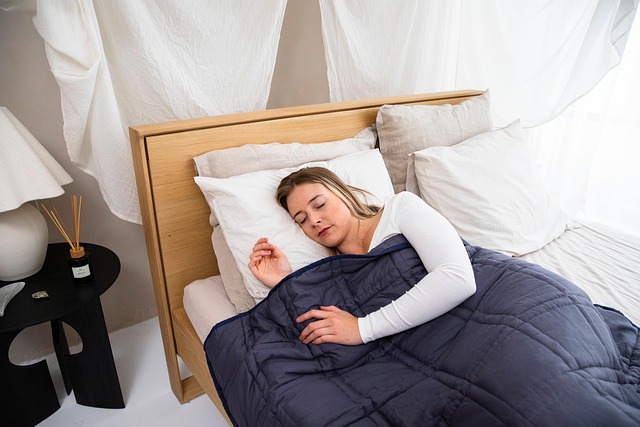
Give yourself the feeling of being held and contained. Your body is asking for it these days, and it’s a very legitimate thing to give it.
Highly Recommended: 55 Overlooked Little Things in Life That Bring Genuine Happiness
14. Do nothing on purpose
This feels deeply uncomfortable for most people at first because we’re not used to it. We associate doing nothing with being lazy or wasting time.
But there is a real difference between accidentally doing nothing because you’re stuck and can’t start anything, versus consciously deciding to just be still for a few minutes. Intentional stillness gives your brain something it rarely gets: a chance to be completely unstimulated.
No tasks, no input, no scrolling, and no expectations. Some of your best thoughts and your clearest feelings actually surface in these quiet gaps, not because you’re trying to think, but because you finally stopped running away from the quiet. Start with two minutes if five sounds too long. See what it’s like.
Mental Self-Care for Low-Energy Days
These are gentle things you can do to take care of your mind without it costing you a lot of energy.
15. Name what you’re actually feeling
Sometimes we feel terrible and don’t stop to figure out why or what kind. See, tired is different from sad, anxious is different from overwhelmed, and lonely is different from disconnected. Each one actually needs something slightly different.
Just naming the feeling out loud or in your head can bring a tiny bit of relief. You don’t have to fix it, just acknowledge it. Don’t unnecessarily involve yourself in negative self-talk. Shift from vague feelings to named ones to get a little more ground to stand on.
There’s a reason therapists always start with how are you feeling because it matters. Even the smallest accuracy in naming what you’re experiencing helps.
16. Play a low-effort game on your phone
I do this often. I sometimes play puzzles, word games, or even childhood games on my laptop to feel good. It’s different from doom-scrolling because you’re actually playing, not consuming.
Your brain is mildly occupied in a way that gives it a break from anxious looping thoughts, but you’re not consuming heavy content or comparing yourself to anyone. So, choose low-effort games that give your brain a tiny bit of gentle engagement without demanding focus or effort.
It’s the mental equivalent of doodling, just keeping your hands and brain busy enough to quiet the noise.
17. Cut one thing from your to-do list
Look at your list, real or mental, and ask honestly: which one of these would actually be fine if it didn’t happen today? Usually, there’s at least one. Something that you put there out of habit or obligation that isn’t actually urgent.

Take it off and feel the small relief from it. Shrinking your mental load is a real form of self-care that doesn’t get talked about enough.
18. Give yourself full permission to rest
This one looks passive, but it’s actually one of the harder things on this list for a lot of people. Resting while feeling guilty about resting is not real rest.
You lie there, but your brain is running a background program about everything you should be doing instead, and that program keeps your nervous system activated even while your body is still.
So, try saying it out loud: “I am allowed to rest right now. This is not wasted time. This is what I need today.” Say it more than once if you need to. It can feel strange at first, because we’ve been trained to tie our worth to our productivity. But giving yourself genuine permission changes the quality of rest in a way that matters.
19. Read a few pages of something easy
Pick something light and enjoyable and read a few pages. You don’t have to finish a chapter.
The point is the experience of being taken somewhere else for a few minutes, of your brain following a story instead of its own anxious thoughts.
Choose light fiction, easy fantasy, and familiar books you’ve already read before. Anything that feels like stepping into a warm and comfortable place.
20. Write out your worries and close the notebook
If something keeps looping in your head, a worry, a to-do, a conversation you’re dreading, write it down. Just to get it out of your brain and onto the page.
Your brain often keeps circling a thought because it’s afraid of forgetting it. Once it’s written down, that job is done.
Your brain can let go of it a little. Then close the notebook; you’ve acknowledged it. You don’t have to deal with it right now.
Tiny Self-Care Habits That Still Help
These are the smallest possible self-care things you can do. And, I promise they count.
21. Change into something comfortable
If you’ve been in work clothes or uncomfortable clothes, change. Right now, put on something soft and loose. The way your clothes feel against your skin affects your mood and your body’s sense of safety more than most people give credit for.
Tight waistbands, stiff fabric, uncomfortable bras, and shoes you haven’t taken off yet keep your body in a low-level state of physical stress. Putting on your softest clothes is one of the easiest ways to tell your body that the performing part of the day is over and the rest part has begun.
22. Eat something nourishing, even if it’s simple
When energy is low, cooking a full meal is often off the table, and that’s fine. But eating something is not an option; it’s a need. Also, things feel harder than they need to when you are low, so eating well helps.
Have a banana, yogurt, your easy go-to snack, a bowl of cereal, a piece of toast, crackers with peanut butter, or cheese. Something that has some protein or substance to it, not just sugar, because blood sugar crashes make low energy feel dramatically worse.
Feeding yourself on hard days is an act of self love, even if what you make is the simplest possible thing.
23. Tidy one small surface
Clutter in your physical space creates a background noise in your brain that drains energy without you consciously noticing it. You don’t have to deep-clean anything or reset the whole house.
Just try to declutter one small, clear surface like your bedside table or kitchen counter. Anything that gives your eyes and your mind one small place of visual rest. A little bit of visual calm in your environment goes a long way when you’re already feeling overwhelmed.
Also Check: The Ultimate Daily Cleaning Routine to Keep Your Home Clean in 30 Minutes
24. Take a slow shower or a warm bath
Warm water has a real effect on your nervous system, so take a shower. It relaxes tense muscles, bringing your body temperature up in a way that tends to make you feel calmer and sleepier afterward.
This also creates a physical sensation of warmth and care that’s hard to replicate any other way. Add some nice-smelling soap or bath salts if you have them, but even without any extras, a warm shower on a low day is one of the kindest things you can do for yourself.
Turn the lights down low if bright lights are bothering you. Let the warm water just do what it does for as long as you need it to.
25. Go to bed a little earlier tonight
This one sounds obvious, but it often doesn’t make it to the list because it requires actually doing it instead of staying up out of habit or for the illusion of having personal time after a hard day.
Sleep is doing a lot of heavy lifting when you’re running low. Emotional regulation, physical restoration, memory consolidation, and immune function all happen during sleep.
Going to bed early is the most practical and effective thing you can do to feel better tomorrow. If your body is tired, honoring that by resting earlier is a perfectly good plan. You don’t have to earn rest or be productive enough to deserve sleep. Just go to bed.
Self-Care Ideas for Different Types of Low Energy
All low-energy days don’t feel the same, and that actually matters a lot when picking what kind of self-care to try.
Sometimes you’re physically exhausted, like your body has just given up. Maybe you didn’t sleep well, you’ve been sick, or you’ve been moving nonstop for weeks.
Other times, your body is technically fine, but your brain feels foggy and slow; that’s mental fatigue, and it usually comes from too many decisions, too much screen time, or just information overload.
Then there are the emotionally drained days, the ones where you’ve been holding a lot, dealing with hard conversations, big feelings, grief, anxiety, or just the quiet weight of everything being too much at once.
These three types of tiredness are real and different, and what helps one might not help another.
- If you’re physically exhausted: Focus on rest, warmth, and nourishment. A warm bath, a heating pad, a nap, eating something easy but real, and gentle stretching. Avoid anything that asks your body to do more.
- If you’re mentally drained: Your brain needs quiet, not more input. So, put the phone down. Step away from screens. Let yourself sit in silence or listen to something soft and familiar. Low-stakes activities like a simple puzzle, coloring, or rewatching a comfort show actually help because they give your brain just enough to do without demanding real thinking.
- If you’re emotionally exhausted: This one needs gentleness above all. It helps to name what you’re feeling, even just to yourself. Connecting with one safe person, even just a short text, can ease the loneliness that often comes with emotional fatigue. Journaling without pressure, lying in a dark, quiet room, or just crying if it needs to come out are all valid here. Don’t push yourself to feel better faster. Let it move through at its own pace.
Knowing which kind of tired you are makes it so much easier to choose the right kind of care, and hence pick the right low-energy self-care ideas. And, this helps stop wondering why the thing that helped last time isn’t working today.
Also Read: 7 Types of Self-Care ( And How To Practice Them For A Better Life)
Keep this close. Save it for your next recharge.
What to Do When Even These Low-Energy Self-Care Ideas Feel Like Too Much?
There are days when even a gentle list like this feels overwhelming. When you open an article like this and think, “I can’t even do these,” this section is for you.
First, I want you to know that this feeling is valid. There’s a version of low energy that goes beyond tiredness, where basic tasks feel impossible, where getting a glass of water feels like climbing a mountain.
That’s your nervous system being completely overwhelmed, and it needs something different from a to-do list, even a gentle one.
Here is the actual bare minimum, which is doable:
1. Breathe slowly for 60 seconds: Simple, right? Breathe in through your nose and out through your mouth. You don’t have to sit up straight or close your eyes or do it perfectly. Just breathe a little slower and a little deeper than you have been.
2. Drink whatever is closest to you: Water, iced tea, juice, whatever. Your body is probably dehydrated, and that makes everything feel worse. You don’t have to get up and make something warm. Just drink what’s already there.
3. Find one soft thing and hold it: Be it a blanket, a pillow, a soft toy, or a hoodie. Physical comfort is not a luxury these days; it’s a need. Let yourself be physically comfortable.
4. Tell someone one honest sentence: Just saying, “I’m having a really hard day” is enough. You don’t have to solve anything or explain everything. And you don’t have to go through these days completely alone.
5. Give yourself a time limit on the guilt: This is important. The hardest part of really low days is often not the exhaustion itself but the guilt spiral that comes with it. The “I should be doing more,” “I’m wasting the day,” “What is wrong with me” loop is exhausting on its own. When you catch yourself doing it, try saying out loud, “I am doing what I can right now.” Then say it again if you need to.
| Important Note: If these days are happening more often than not, and if getting through the day regularly feels this hard, please consider talking to a doctor or therapist. Persistent emotional or physical exhaustion can sometimes have real underlying causes like depression, burnout, anemia, thyroid issues, or other things that self-care alone won’t fix. Taking care of yourself sometimes means asking for help from someone qualified to give it. For right now, though, on this one hard day: breathing, drinking something, finding warmth, and being honest with one person can help. |
Don’t Miss: 25 Gentle Reminders for Hard Days When You’re Emotionally Tired
Wrap Up: Low Energy Self Care Ideas
Taking care of yourself does not have to look perfect. It just has to happen. Since you are already on low energy, just pick 1-2 that feel doable to you and start.
Just give yourself the smallest bit of kindness when you need it the most. Keep this list handy and save it for the future.
And on the days when even one thing feels impossible, just drinking some water and wrapping yourself in a blanket is enough. You’re still taking care of yourself, and that counts too.
Read Next: How to Value Yourself as a Woman Without Depending on Others’ Approval
FAQs: Low Energy Self-Care Ideas
1. What is low energy self-care, and why does it matter?
Low energy self-care means taking care of yourself in ways that don’t require much effort, time, or motivation. It matters because the days when you feel the most drained are usually the days you need care the most. Small, easy actions still make a difference.
2. Why does self-care feel so hard when I’m already tired?
Most mainstream self-care advice was designed for people who already have energy to spare. When you’re depleted, even deciding what to do can feel overwhelming. That decision fatigue is real. That’s why having a ready list of low-effort ideas before you need them helps so much.
3. Can self-care actually help with low energy, or does it just mask the problem?
It depends on what’s causing the low energy. If it’s day-to-day stress and burnout, gentle self-care genuinely helps restore you over time. If low energy is persistent and affecting daily life, it’s worth checking with a doctor because there can be physical causes worth ruling out. And self-care works alongside medical care, not instead of it.
4. How is low energy self-care different from being lazy?
Laziness is usually about avoiding something you don’t want to do. Low energy self-care ideas are about doing something kind for yourself when your tank is running low. The intention matters. You’re not skipping your responsibilities forever; you’re giving yourself a moment to recover so you can show up better later.
5. How do I get myself to do self-care when I have no motivation?
Keep the barrier as low as possible. Pick something that takes under two minutes, something you can do without getting up, or something that gives you immediate comfort. Motivation usually comes after starting, not before. Even doing one tiny thing can shift your mood enough to help you do a second thing.