Learn the essential things to declutter before the New Year to let go gently, reset your space, and enjoy a minimalist, stress-free, and calmer home.
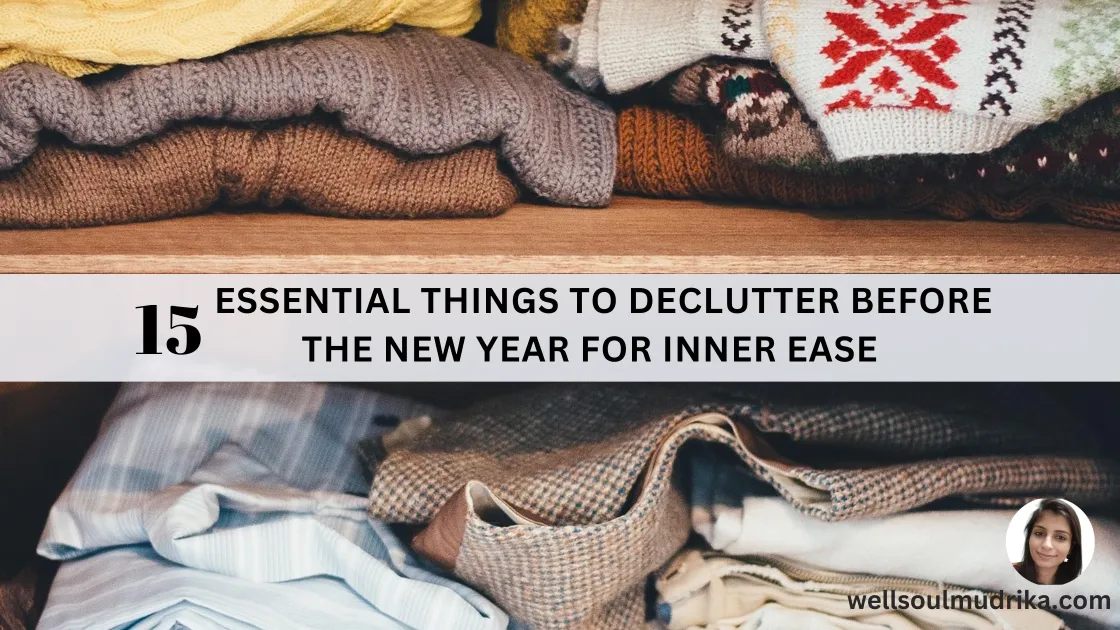
As the year comes to a close, it’s not just time that feels heavy, but it’s the quiet accumulation of things we’ve been carrying without noticing all year. Unfinished papers, cluttered corners, clothes that no longer feel like us, and small piles we keep meaning to deal with “later.”
And that later never comes. Over time, these things turn into background noise that drains our energy. Trust me, I have been there, feeling the guilt of letting my things go.
But that’s the much-needed thing you can do for yourself and your home. See, decluttering before the New Year is about choosing what you want to carry forward and what you’re ready to leave behind, not about having a spotless home.
When your space feels lighter, your mind often follows. This is also about shaping a home that feels easier to live in, one that supports your energy instead of quietly draining it.
So, in this list of things to declutter before the New Year, we’re taking a gentle approach to home care without any pressure or rush. I have curated thoughtful choices for you that will help your home feel calmer so that you can step into the new year with a little more inner ease.
15 Essential Things to Declutter Before the New Year For A Calmer Home Reset (Grouped by Thoughtful Categories)
Here are the essential things to declutter before the New Year if your goal is a calmer home and a clearer mind. Each category focuses on reducing mental clutter, easing decision fatigue, and creating space for a gentle home reset. Let’s go.
Things To Declutter That Create Silent Mental Load
When people think about things to declutter before the New Year, they often focus on visible mess. But some of the heaviest clutter isn’t obvious. It’s the kind that sits quietly in the background, reminding your brain again and again of unfinished decisions.
These items keep your mind in what psychologists call an open loop. They demand attention without offering resolution. Over time, they contribute to mental clutter, decision fatigue, and a constant sense of “I still have things to deal with.”
Research shows that a cluttered environment forces the brain to split its attention among all the visual stimuli around you, making it harder to focus and increasing mental fatigue even when you think you’re ignoring the clutter.
So, for a true end-of-year reset, this is the best place to start.
1. Old papers you might need someday
One of the first things to declutter before the new year is the stacks of papers that are kept “just in case”. This is a very common source of stress in many homes. Manuals for products you no longer own, old bills that have already been settled, or printouts that served a temporary purpose quietly pile up and demand mental energy.
This kind of clutter interrupts a minimalist home reset because every glance at it triggers uncertainty.
Do I need this? Should I keep it? What if I throw it away?

Mindful decluttering here means keeping only what is legally or practically necessary and letting go of the rest with confidence. When paper clutter reduces, clarity increases. Your home reset becomes simpler, and your space immediately feels lighter.
Remember, what you don’t decide today will keep asking for your attention tomorrow.
2. Unfinished to-do items lying around
The next things to declutter in your home are unfinished items. They carry emotional weight far beyond their size. A half-filled form, an abandoned DIY project, or materials from something you never completed can quietly create guilt and pressure.
These items drain energy because they represent postponed decisions. They pull you out of intentional living and into a cycle of avoidance.
For a new year home reset, it’s important to either complete, consciously postpone, or let go. So, decide what deserves your energy next year and release what doesn’t.
3. Old reminders — Physical and Digital
Old reminders are one of the most overlooked sources of mental clutter. Sticky notes for tasks already done, planners from previous months, or outdated lists all create the same kind of mental clutter.
On the other hand, digital clutter reflects what’s happening in our physical space. Too many files, screenshots, tabs, or unread messages can create constant background noise.
They blur the line between what matters now and what once mattered. Removing them is a simple but powerful act of resetting your home before the New Year.
I’ve noticed that when my digital space feels crowded, my home feels heavier too. That’s why, as part of my new year home refresh, I treat digital decluttering as an extension of home care.
Clearing out old downloads, unused apps, and outdated notes reduces decision fatigue and makes everyday life feel smoother. When this is done, your mind gets calm, which naturally carries into your physical space as well.
4. Expired makeup and medicines
Expired makeup and medicines often sit quietly in drawers, cupboards, or bathroom cabinets out of sight, but not out of mind. Even when we don’t actively use them, we know they’re there, waiting to be checked, sorted, or dealt with. That unresolved awareness slowly adds to mental clutter.
I’ve noticed that keeping expired products creates a subtle tension. There’s always a question in the background: Should I keep it? Can I use it in some way?

Honestly, I have kept these things for longer than I should have, and in the end, I had to throw them all away because I couldn’t use them in any way.
Do the same, and it will help you clear physical space, reduce unnecessary risk, and immediately lighten the mental load. In return, you will also get a clearer bathroom cabinet, a smoother routine, and a more intentional home reset before the New Year.
Things To Declutter That Represent Past Versions of You
As the year ends, it’s natural to outgrow certain things without realizing it. Some items don’t create a mess, but they create emotional weight. They quietly remind you of who you used to be, what you once wanted, or what you felt you should hold on to.
Decluttering these items is a powerful part of an end-of-year reset, because it aligns your space with the life you’re actually living now. So, give yourself permission to evolve.
5. Clothes that no longer feel like you
Most of us have clothes that technically fit, but emotionally don’t. They belong to a different season of life, a different routine, body, or mindset.
And some are just kept for years in the hope of getting in perfect shape to wear them. This creates that mental barrier that you have to outgrow.
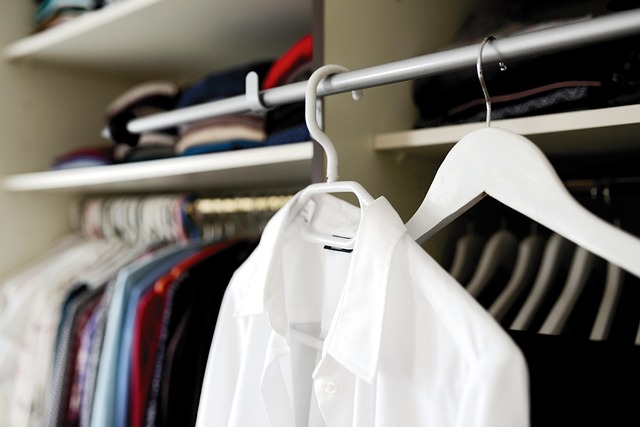
I’ve noticed that when I keep clothes I no longer feel comfortable or confident in, they add silent pressure every time I open my wardrobe. So I prefer doing a gentle check-in: Would I choose this today, or am I keeping it out of habit?
So, let go of these pieces and donate them if possible. It might be helpful for someone. See, your wardrobe should support who you are now, not who you were trying to be.
6. Items kept out of guilt or obligation
We all have received gifts we never used. Or, things handed down that don’t suit your space or are kept because “someone gave it to you.”
These are some of the hardest things to declutter before the New Year because they come with emotional attachment to clutter. But guilt-based keeping slowly drains energy and creates mental clutter.
I’ve learned that gratitude doesn’t require storage. You can appreciate the intention behind an item without keeping it in your home. Mindful decluttering here is about choosing peace over obligation and creating space that feels emotionally honest.
Also Read: How to Declutter Your Mind for Better Productivity: 9 Simple Ways
7. Old hobbies you’ve outgrown
Unfinished craft supplies, drawing books, colors, and sketches for interests you no longer pursue, or tools from hobbies that once excited you, can quietly take up both physical and mental space. I am guilty of having these.
I used to keep these, thinking I’d “get back to them someday.” But over time, I realized they were tying me to a past version of myself instead of supporting intentional living. Now, I prefer keeping only the hobbies that still feel nourishing and letting the rest go gently.
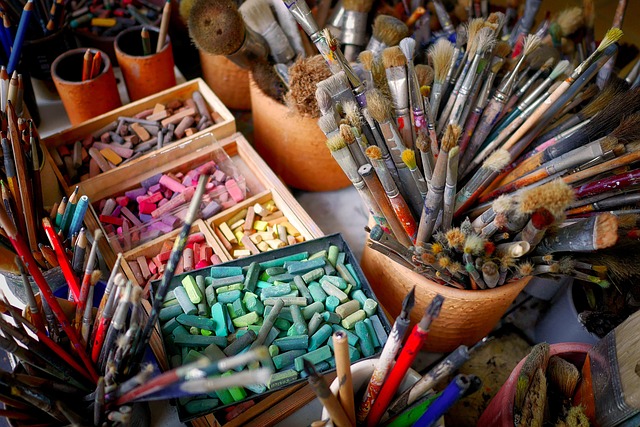
Honestly, I won’t get back to them, and there is no point lying to myself and keeping those for the future. Releasing these items will help clear space not just in your home, but in your identity, making room for what genuinely excites you next.
Things To Declutter That Add Daily Friction at Home
Some clutter doesn’t feel emotional or sentimental but simply exhausting. These are the things you interact with every day that slow you down, interrupt your routines, and make it difficult to make decisions.
When you’re listing the things to declutter before the New Year, this category matters more than you might expect. Reducing daily friction is one of the fastest ways to create calm. A smoother home makes mornings easier, evenings quieter, and everyday life feel less rushed.
8. Overflowing kitchen drawers or cabinets
The kitchen is often the most used space in a home, which is why clutter here feels especially draining. Overfilled drawers, crowded cabinets, or stacks of rarely used items make simple tasks feel unnecessarily complicated.
You know, when my kitchen storage is overloaded, I subconsciously avoid cooking or cleaning properly. So I prefer doing a small, intentional declutter, keeping only what I reach for regularly and letting go of duplicates or “someday” items.
This creates instant relief. When your tools are easy to reach, your routines become easier to follow.
9. Duplicate items you always reach past
Extra utensils, backup containers, and multiple versions of the same item often exist because we forgot we already had one. These items create unnecessary visual noise and slow down decision-making. Every time you reach past something you don’t use, your brain registers a tiny moment of friction.
I prefer keeping the one version I genuinely like using and letting the rest go. This simple choice supports my minimalist home declutter.
You might also like: The Ultimate Daily Cleaning Routine to Keep Your Home Clean in 30 Minutes
10. Broken or to-be-fixed items
Few things drain energy more than objects waiting to be repaired. Broken appliances, cracked decor, or items kept aside with good intentions quietly sit there as reminders of unfinished tasks.
I’ve learned that if something hasn’t been fixed for months, it’s often not because of time but because it no longer fits into my life. Letting go of these items is an act of letting go gently, not giving up.
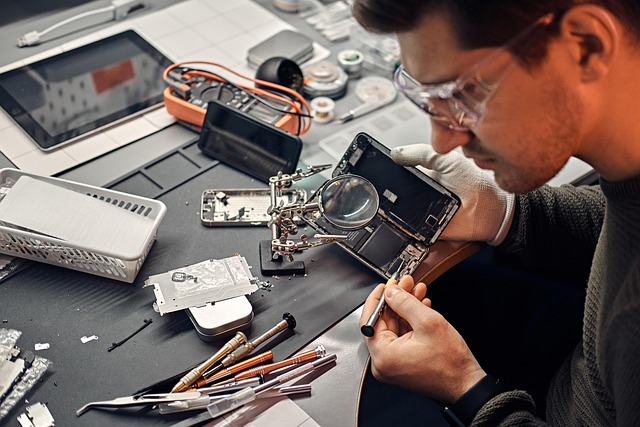
Clearing them out is a powerful part of an end-of-year reset. It removes background stress and creates space for things that actually support your daily life.
Things To Declutter That Quietly Drain Emotional Energy
Some things quietly pull at your emotions. They sit in the background, carrying unfinished feelings, expectations, or memories that ask for attention when you least expect it.
As part of things to declutter before the New Year, this category needs no urgency. You just need to be aware and let go gently.
11. Unread books or content you feel pressured to finish
Unread books, saved articles, or courses you once intended to complete can slowly turn into a source of guilt. Instead of feeling inspired, they begin to feel like obligations.
I’ve experienced this myself. At some point, I realized that keeping unread content was adding pressure rather than value. Now, I prefer keeping only what genuinely excites me in this season of life.
Decluttering these items doesn’t mean giving up on growth. It means choosing intentional living over quiet stress because growth doesn’t require finishing everything you once started.
12. Items tied to unresolved memories
Some objects hold emotional weight that’s hard to name. They may be tied to relationships, phases of life, or experiences that still feel unresolved.
This requires compassion. It’s okay to take your time with these items. Sometimes, simply acknowledging the feeling is enough for now. Other times, letting go becomes an act of healing.
Decluttering these objects will not erase your past or experience but will help create space for peace, clarity, and inner ease in the present. You’re allowed to keep memories without keeping everything that holds them.
Might help: 23 Awesome Things to Do Alone at Home When You Need a Reset
Things To Declutter That Create Visual Noise
Visual clutter affects us more than we realize. Even when we’re not consciously paying attention, crowded surfaces and mismatched items constantly signal our brain to stay alert. Over time, this contributes to mental clutter and makes it harder to fully relax at home.
And, you definitely need a calmer visual environment to support a calmer nervous system, which is a core goal of home care.
13. Overcrowded surfaces
Flat surfaces tend to collect everything: keys, papers, decor, and random items with no clear home. I have been like this. Putting everything on my desk first and then sorting it out later. But this makes the space instantly feel busy, even if the room itself is clean.
When I clear just one space, be it a table or a shelf, I feel more in control and peaceful. It’s important to leave intentional space instead of filling every corner. That breathing room helps reset the energy of the space.
14. Decor that no longer feels soothing
Decor is meant to bring comfort, not obligation. But over time, tastes change. What once felt joyful can start to feel visually heavy or distracting.
As part of my home declutter before the New Year, I like to pause and ask whether a piece still makes me feel something when I see it. If it doesn’t, I let it go without guilt. Letting go of decor isn’t about minimalism for the sake of it, but it’s about choosing what genuinely supports your well-being.
You don’t really need that showpiece or photo frame from your childhood anymore; you’ve outgrown it, and that’s okay.
15. Random storage boxes with mixed items
Boxes filled with unrelated items often become mental blind spots. You know they’re there, but you avoid opening them because they feel overwhelming.
I had a lot of them kept for later. When I went out of the city for studies or my job, I just kept my things in boxes to come back to and decide later. These boxes held unresolved decisions that really occupied my mind because I knew they were there to be checked.
I started opening one box at a time and sorting it, intentionally keeping what I needed and releasing the rest. Clearing these spaces creates a sense of order that goes beyond organization.
It’s a form of creating space both physically and emotionally as you move toward the New Year. When everything has a place, you get a decluttered mind as it doesn’t have to hold it all, and you get the feeling of clarity and ease within you.
And with this, we are at the end of the essential things to declutter before the New Year to create a calmer home environment.
How to Declutter Before the New Year Without Feeling Overwhelmed
Decluttering can feel intimidating when you think about everything at once. The key is to stop treating it like a massive project and start seeing it as a series of small, manageable moments of care.
Here’s what you can do to declutter your home without the overwhelm:
- Begin with short sessions of 10 or 15 minutes. Set a gentle boundary for yourself and step away before fatigue sets in. See, decluttering works best when your mind is clear, not rushed or exhausted.
- Instead of tackling the entire house, choose one category at a time. One drawer, one shelf, or one type of item is more than enough. You see, focusing narrowly helps you make better decisions and prevents that all-or-nothing feeling.
- Most importantly, stop when you get clarity. The goal isn’t to empty your home; it’s to create ease. When your space starts to feel lighter, that’s your cue to pause. You can always return later, with the same calm intention.
Save this for later by pinning.
Wrap Up: Reset And Declutter Your Home For The New Year
A calm home cannot be created in one day; rather, it’s shaped through small, intentional decisions made with care. Decluttering before the New Year simply asks you to notice what no longer supports the life you’re living now.
Now you have the list of things to declutter before the New Year, so make some space so that your home can give back to you. As you let go of a few things, you also release mental weight. You create room for clarity, rest, and a quieter kind of confidence.
Carry only what feels useful, meaningful, or comforting into the New Year. Everything else has already served its purpose. And that, in itself, is enough.
So, what are you decluttering first for your new year home reset?
Read Next: 30 Cozy January Bucket List Ideas For A Great Start To The Year
FAQs: Things To Declutter Before The New Year For The Home Reset
1. Why should you declutter before the New Year?
Decluttering before the New Year helps you close the year with less mental and visual clutter. It reduces decision fatigue, creates a calmer home environment, and makes it easier to start the new year feeling lighter and more focused without pressure to be perfect.
2. What should I declutter first before the New Year?
Start with items that create daily friction or mental load, such as cluttered surfaces, old papers, broken items, or things you keep out of guilt. Decluttering these first brings immediate relief and sets a calm tone for the rest of your home.
3. How much should I declutter before the New Year?
You don’t need to declutter everything. Even one drawer, one shelf, or one small category is enough. The goal isn’t a perfectly organized home, but creating a space that feels supportive and easier to live in the new year.
4. What if I feel guilty letting go of certain things?
Feeling guilty is common, especially with sentimental items or gifts. Try to separate the memory from the object. Letting go doesn’t erase the experience; it simply makes space for what supports your life now and aligns with it.
5. Does decluttering really help with inner ease and mental clarity?
Yes. Physical clutter constantly pulls at your attention, even when you’re not aware of it. Decluttering reduces visual noise, lowers mental overload, and helps your home feel calmer, which naturally supports inner ease and emotional clarity.